04 — PODCASTSWeb App
Folk's Tale
Preserve someone's story in their own voice
Problem
Photos don't preserve a person. They preserve how they looked.
What disappears first is how they told stories, what they remembered, the way they answered simple questions. Families want to save this but almost never actually do.
Solution
Make it a normal call.
Tidbit gives a conversation plan, you call them like you usually would, and it records in the background. The audio is cleaned up and turned into a personal podcast you can revisit and share.
Positioning experiment
Before building distribution I tested what would actually motivate someone to make the call.
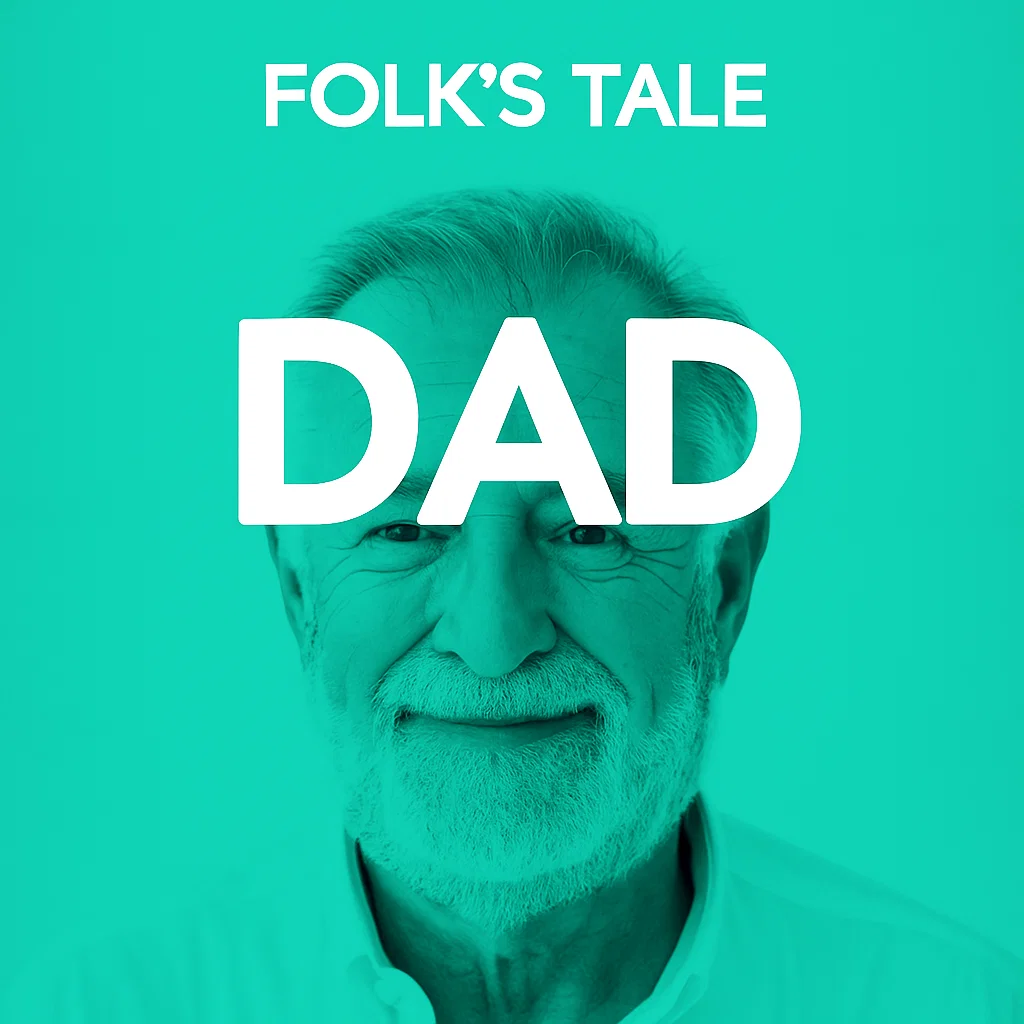
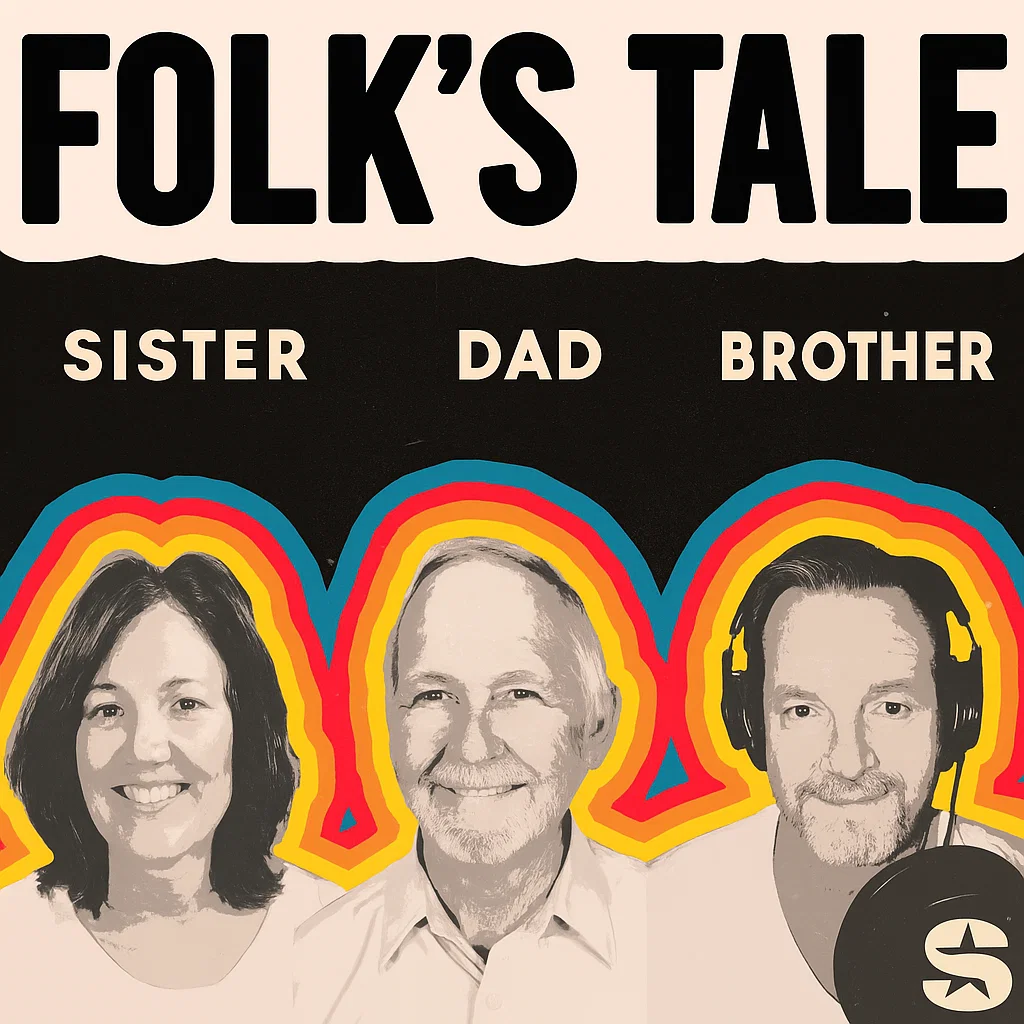
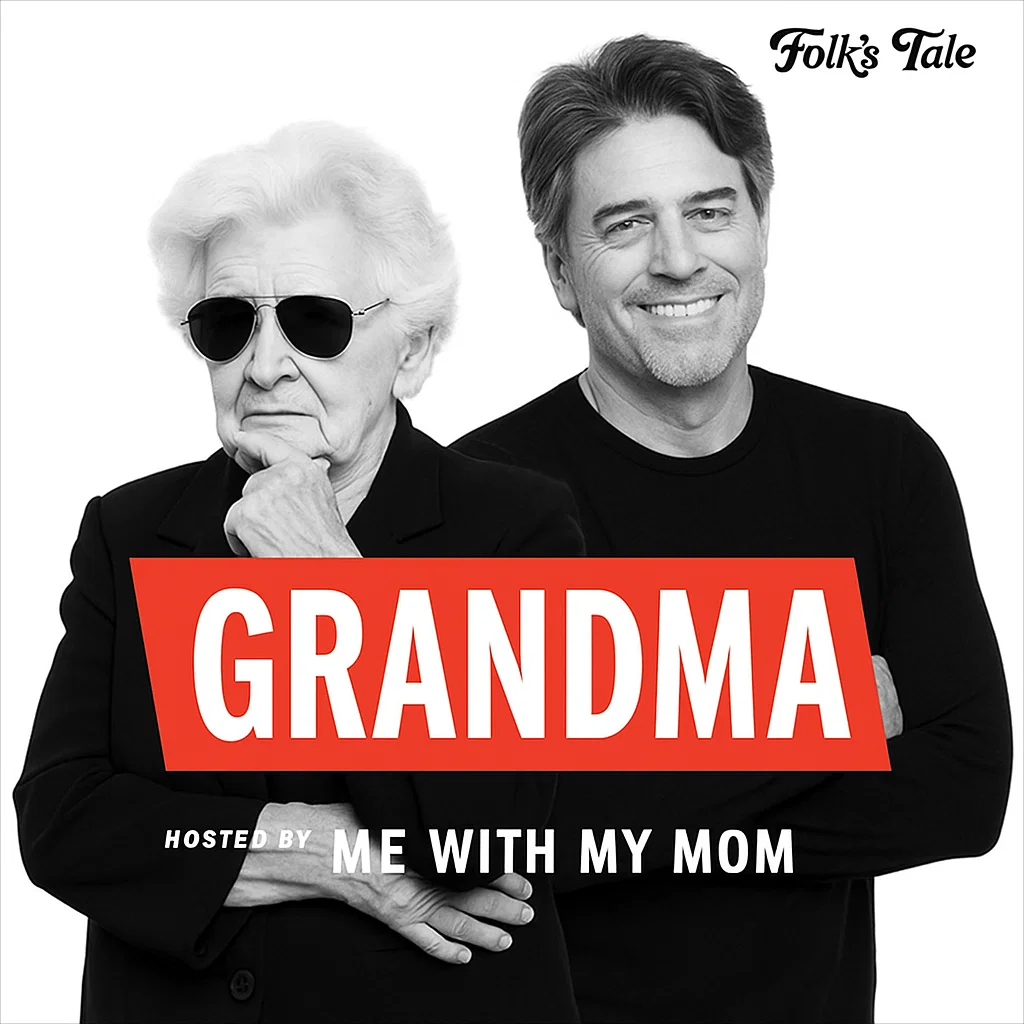
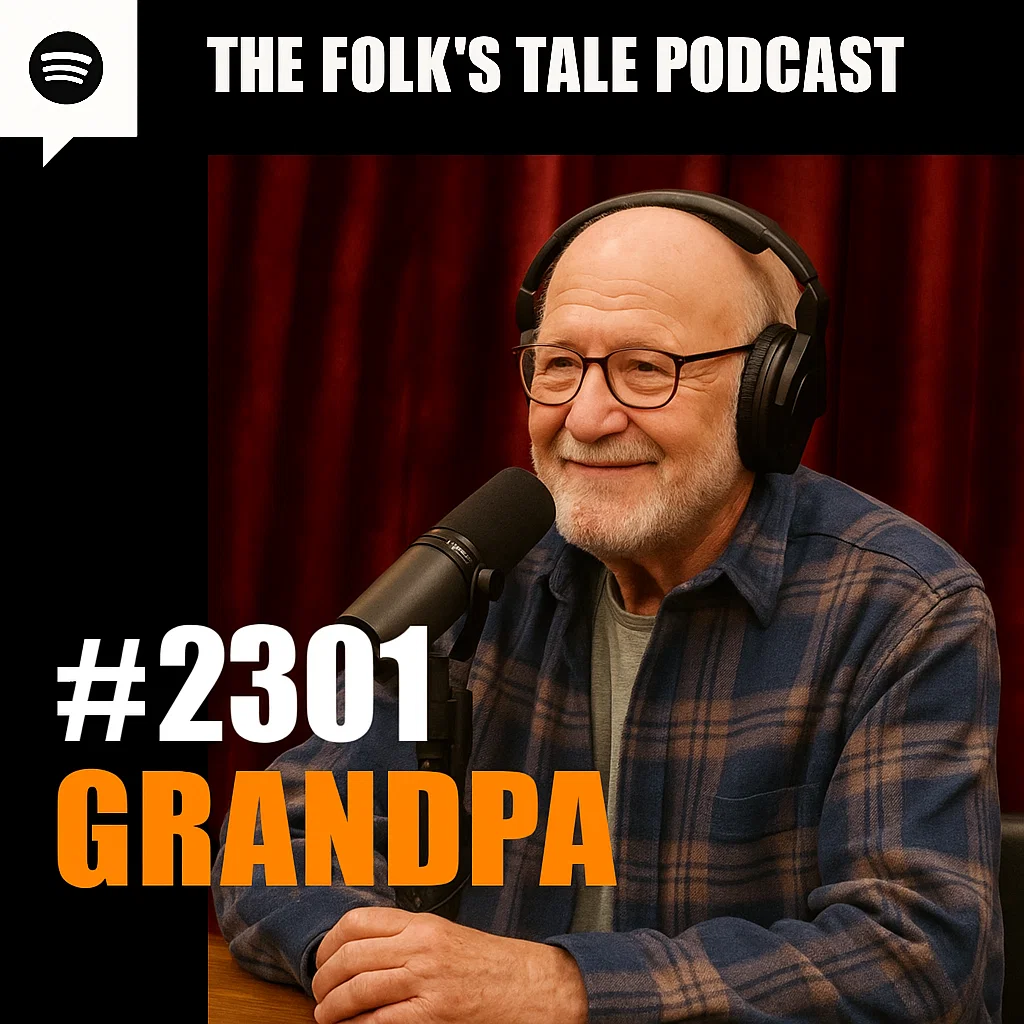
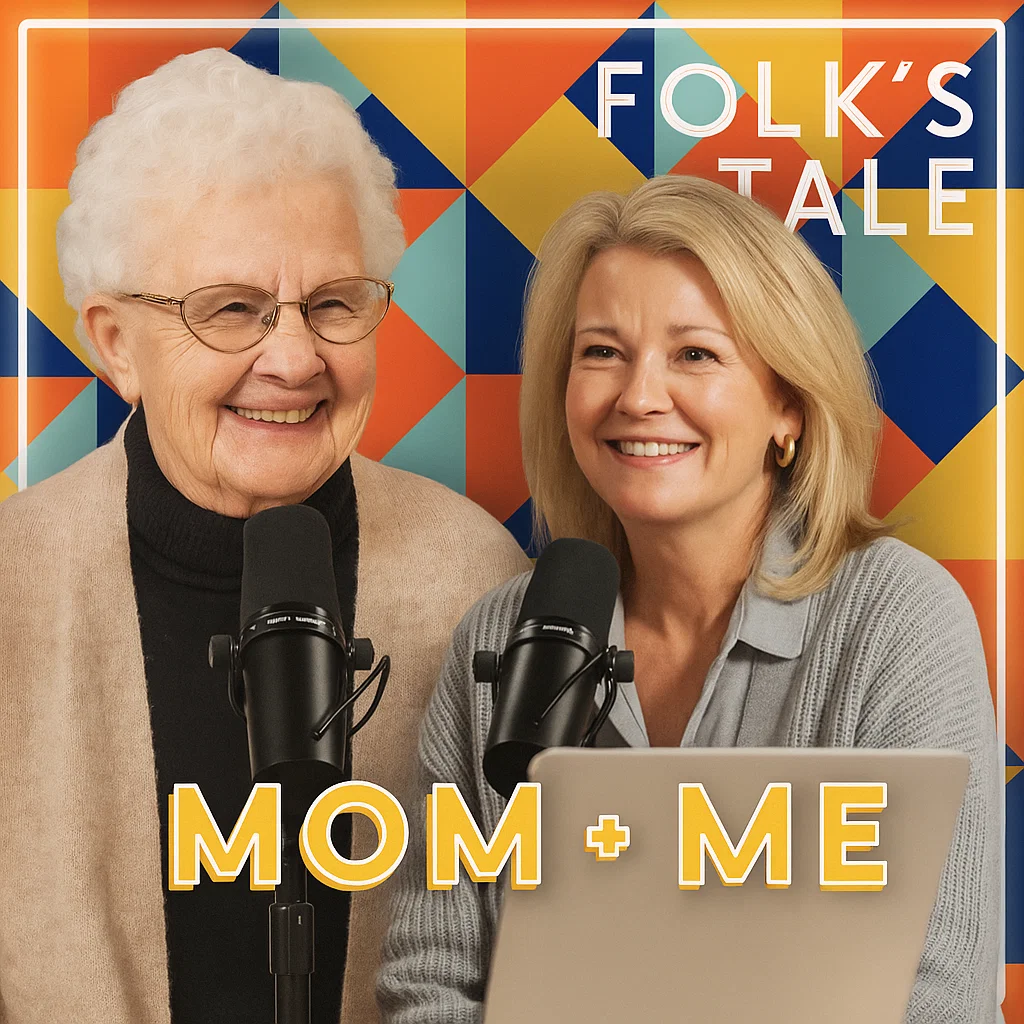
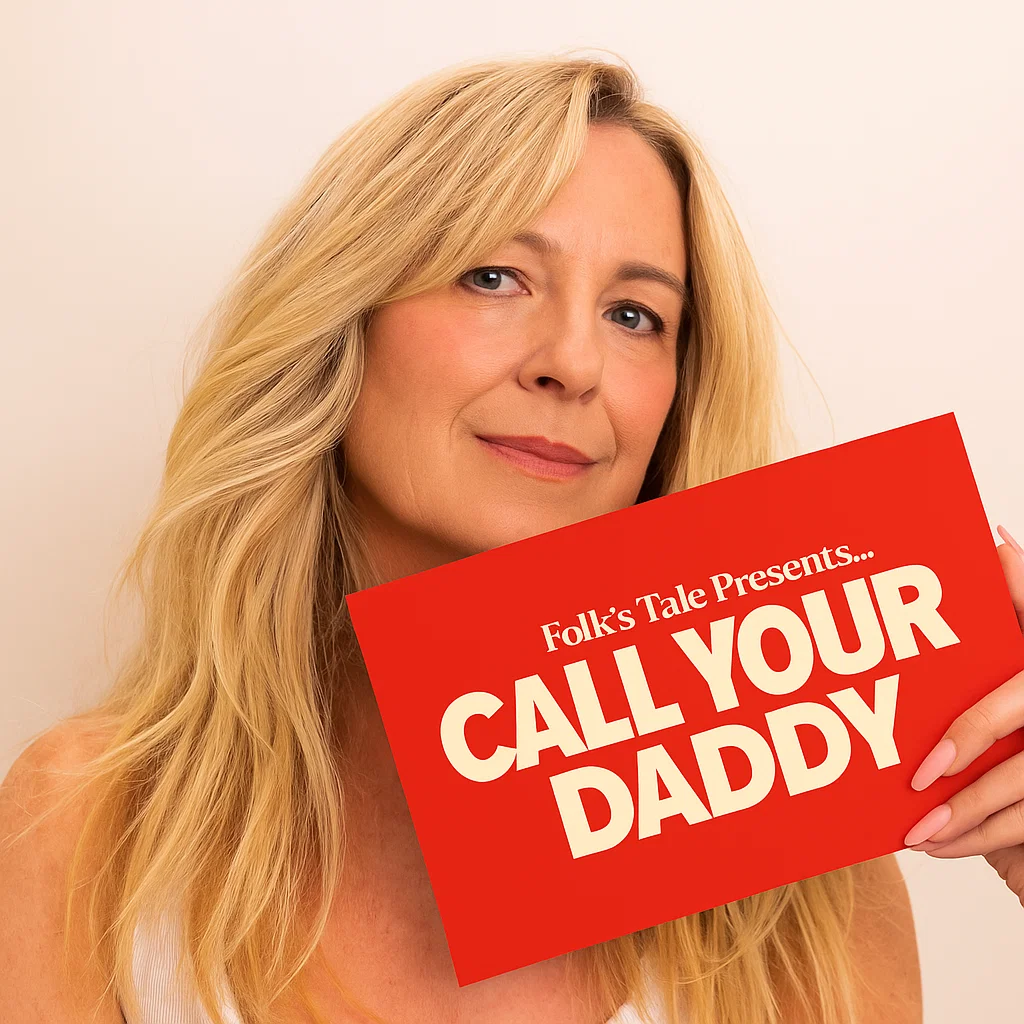
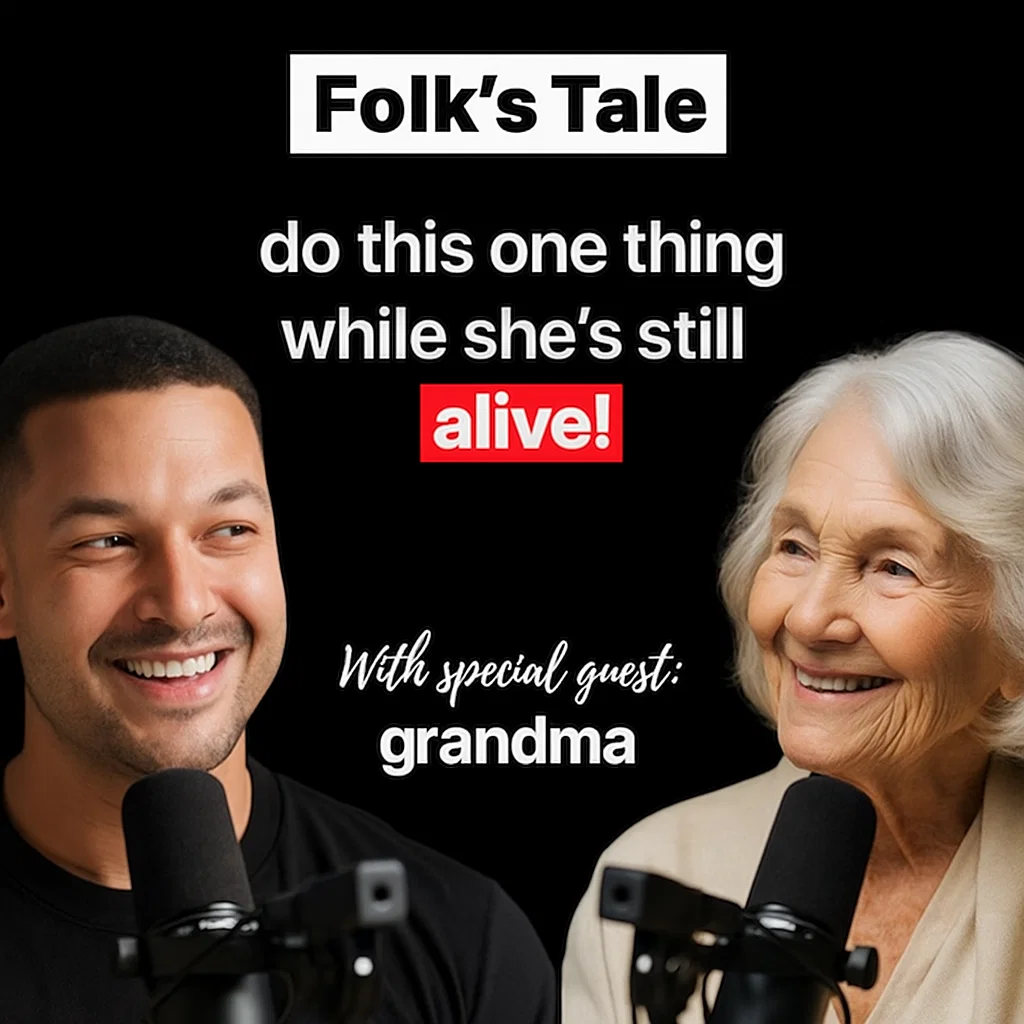
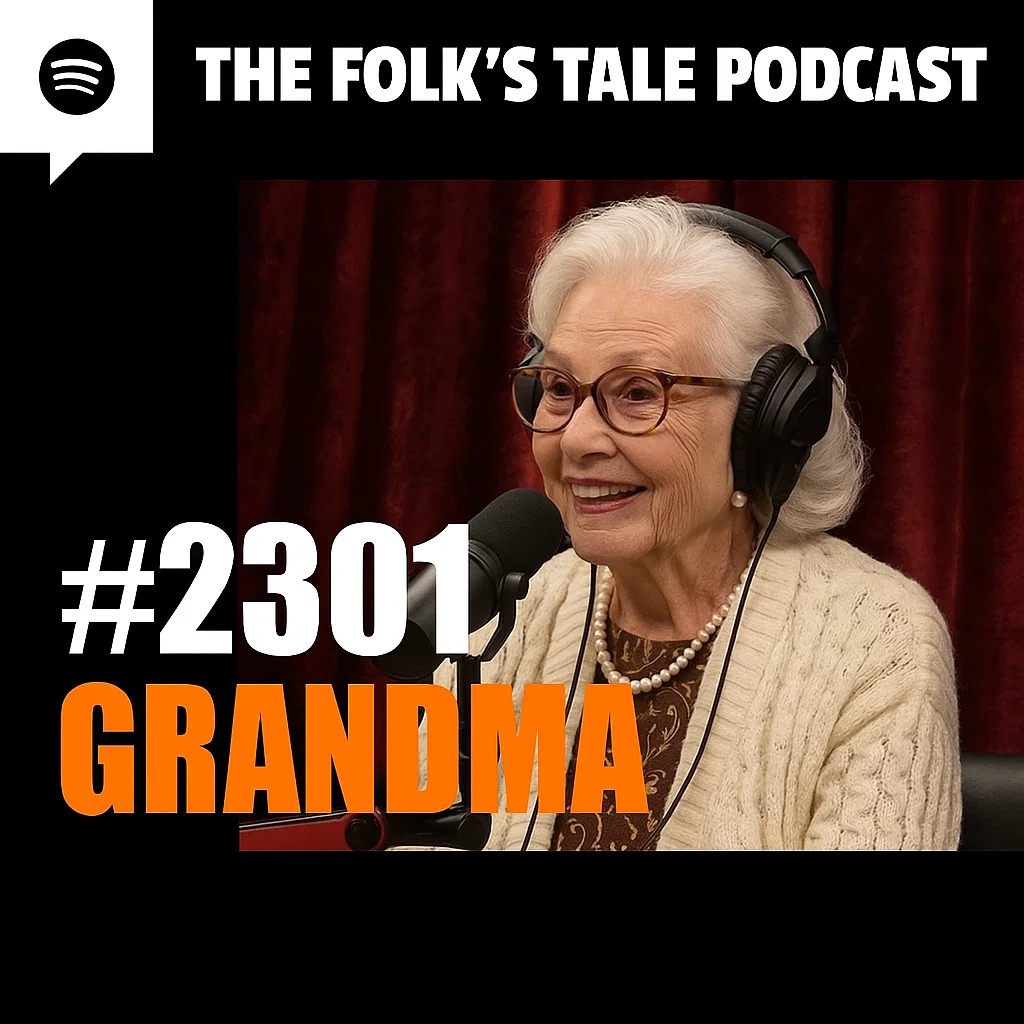
I created podcast-style covers reframing a conversation as an episode you could record right now.
What I learned
People didn't respond to AI or preservation.
They responded to urgency. The real barrier isn't recording — it's waiting.
This shifted the product from a recording tool to a conversation starter.
Where this came from
I started recording conversations with my grandma because I didn't want to forget how she thought, not just how she looked. Photos existed, but they didn't capture her stories or the way she answered simple questions.
So I interviewed her.
The recordings became the most meaningful thing I had, but they were hard to repeat. Each time required planning questions and setting aside time, which made the conversation feel formal instead of natural.
I realized the value wasn't recording. It was creating a situation where a real conversation actually happened. Tidbit removes the pressure so the call stays normal, then preserves it afterward.
Why now
Phones can record calls and speech models can structure long conversations into narratives automatically. What used to require planning and editing can now happen from a normal phone call.